
Share:
Share:
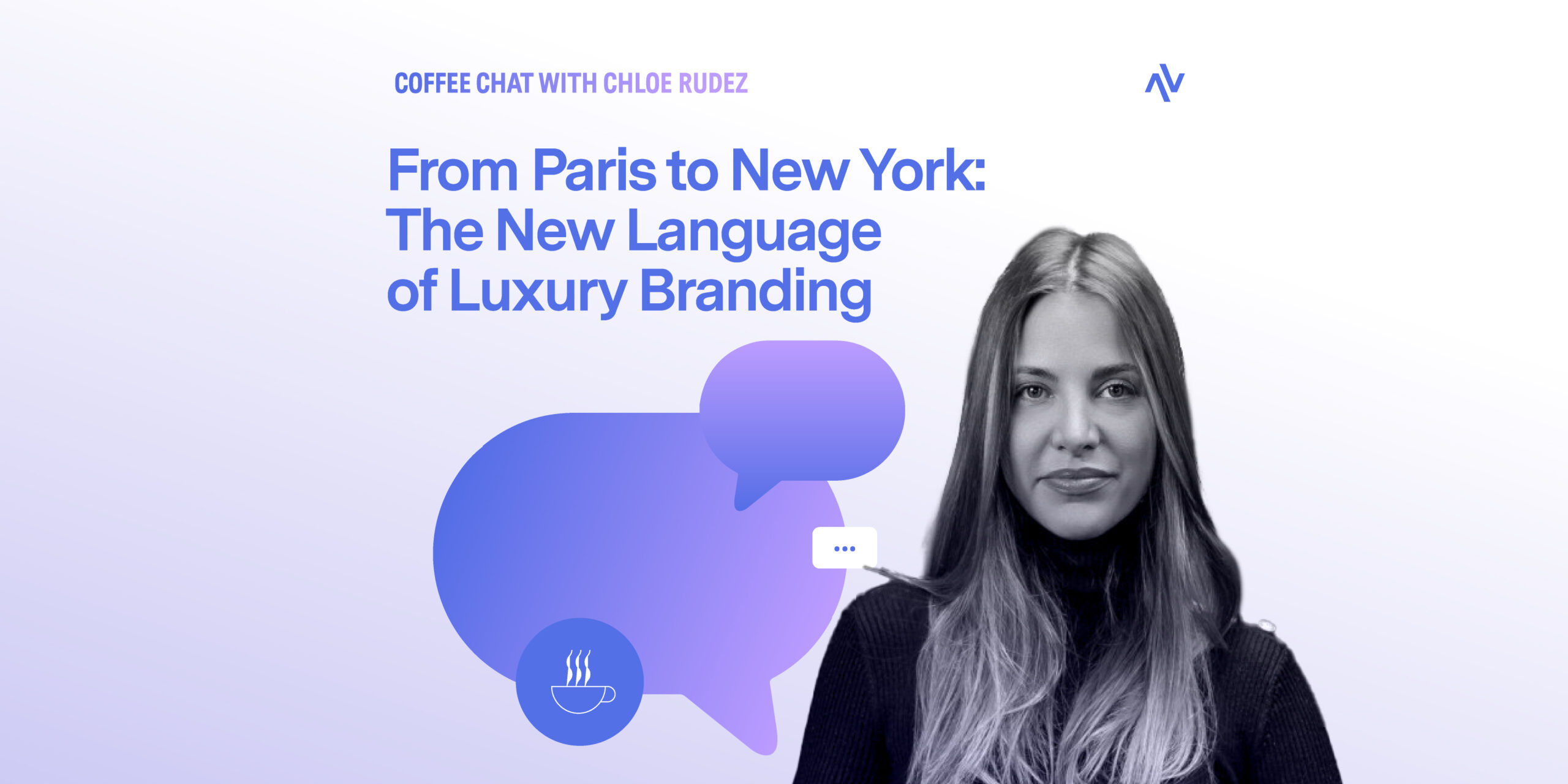
In the fast-moving world of luxury branding, where heritage meets digital disruption and “exclusivity” is being redefined daily, students often ask what it takes to build a brand that actually resonates. For Chloe Rudez, a marketing professional and Build Fellow at Open Avenues Foundation, the secret lies in the delicate balance between high-level creative vision and the gritty reality of execution.
Chloe’s career, which spans the iconic fashion landscapes of both Paris and New York City, has given her a unique vantage point on how culture shapes consumer behavior. Through these experiences, she has mastered the art of “translation”—turning abstract moods and emotions into concrete marketing strategies. Through her Build Projects, she guides students to look beyond the product and understand the “world” a brand creates, emphasizing that real marketing value today is found in emotional connection and cultural relevance.
In this Coffee Chat, Chloe breaks down the shift from classroom theory to professional practice, the challenges of working alongside creative leadership, and the mindset early-career professionals need to cut through the noise. Her reflections provide a sophisticated yet practical roadmap for anyone looking to make their mark in the world of high-end branding.
A: Exclusivity still matters, but it is no longer the only thing that creates value. Today, luxury value comes from a mix of exclusivity, storytelling, emotional connection, and cultural relevance.
Exclusivity is not just about high prices or limited products. It is about access and experience. Clients want to feel known, understood, and part of something special. A private viewing, a personal message, or early access to a collection can feel more luxurious than simply owning an expensive item.
Storytelling is just as important. Luxury brands build meaning around their products. They talk about craftsmanship, heritage, design inspiration, and creative vision. A product becomes more than an object. It becomes a symbol of taste, identity, and belonging to a certain world.
Community is also growing in importance. Luxury customers often want to feel connected to a brand and to other people who share similar values. Events, cultural collaborations, and digital platforms help brands create this sense of belonging.
What really creates value today is emotional meaning. When a brand makes someone feel confident, unique, or culturally connected, that is when luxury becomes powerful.
For students or entry-level professionals, this means learning to think beyond the product. Ask what the brand stands for, what world it creates, and how people feel when they engage with it.
A: Creative leaders often speak in emotions, moods, and cultural references. These ideas are inspiring, but they are not yet a campaign plan.
Marketing teams then have to translate that vision into clear decisions:
If the translation is too literal, the campaign can lose its magic. If it stays too abstract, nothing moves forward and production gets stuck.
The real skill is being able to understand the creative intention and then express it in practical ways. For example, if the vision is intimate and raw, the marketing team might choose natural lighting, less retouching, smaller events, and partnerships with niche cultural figures instead of big mainstream celebrities.
A: Moving from Paris to New York City did not completely change how I see branding, but it sharpened my awareness of context and audience.
Both cities care deeply about creativity, culture, and strong points of view. In both places, audiences respond to brands that feel authentic and creatively confident. The difference is more about emphasis and rhythm than about opposite tastes.
In Paris, I noticed a strong appreciation for subtlety and mood. Campaigns can take their time. There is space for atmosphere, visual storytelling, and references that are not fully explained. Audiences are comfortable engaging with brands that leave room for interpretation.
In New York, the same creative depth can exist, but it often needs to connect a little faster. People are exposed to a huge amount of content every day, so clarity and energy matter. A strong visual idea or clear message helps the audience quickly understand why a brand is relevant, while still leaving room for style and personality.
I also became more aware that audiences in both cities are globally influenced. People follow the same designers, artists, and digital trends. The gap between markets is smaller than we sometimes imagine. The key is not to stereotype audiences, but to pay attention to local pace, media habits, and social context.
A: One of the biggest challenges is keeping up with how fast technology is changing. Tools powered by artificial intelligence, automation, and data are transforming how teams work, how decisions are made, and how customers are reached. The challenge is not just learning the tools, but understanding when and why to use them. Human judgment, creativity, and ethics still matter a lot.
Another challenge is attention. People are constantly exposed to content, ads, and information. Cutting through the noise in a meaningful way is getting harder. This pushes companies to focus more on relevance, quality, and real value rather than just volume.
A: Studying marketing gives you the language and the frameworks. Practicing marketing teaches you how to work with real people, real limits, and real pressure.
In school, marketing feels structured. You learn models, analyze successful campaigns, and work with clear case studies. Problems often have logical solutions, and you have time to think.
In the professional world, marketing is much more complex. You deal with limited budgets, tight deadlines, and different opinions from leadership, sales teams, legal teams, and creative teams. Not every good idea can be executed, and not every decision is purely strategic. Sometimes it is political or practical.
Another big difference is how you work with data. In school, you often look at results after everything is finished. At work, you monitor performance in real time and make adjustments while a campaign is still running. You rarely have perfect information, but you still have to make decisions.
The biggest shift is mindset. As a student, you focus on what the best strategy is. As a professional, you focus on what is the best strategy you can actually deliver with the time, money, and people you have.
A: Standing out today is less about having a perfect resume and more about showing initiative, self awareness, and the ability to create value in real situations.
One powerful way to stand out is through practical experience, even if it is small. This could be running social media for a student club, helping a local business with marketing, organizing an event, or building a small online project. Build Projects by Open Avenues are a great way to build your portfolio and start creating your own brand. These experiences give you stories to tell in interviews, and they show that you can turn ideas into action.
Another differentiator is curiosity. Employers notice people who go beyond what is required. That might mean taking extra courses, attending industry events, following trends, or reaching out to professionals to learn about their roles. Curiosity signals motivation and long term potential.
Finally, self awareness matters. Knowing your strengths, your areas for growth, and the kind of environments where you do your best work helps you make smarter choices and present yourself more authentically.
Students should remember that early in your career, you are not expected to know everything. What makes you stand out is showing that you are proactive, thoughtful, and ready to learn quickly in real world settings.
Final Thoughts
Chloe’s insights reveal that modern marketing is as much about human empathy and cultural intuition as it is about data and frameworks. For students and aspiring marketers, her message is clear: success in this field requires more than just a strategic mind—it requires the agility to adapt to different rhythms, the curiosity to explore “why” a brand matters, and the initiative to turn theory into action.
As you prepare to enter the marketing professional world, let Chloe’s advice be your guide: focus on the emotional meaning behind the work, learn to navigate the practical limits of real-world projects, and never lose the curiosity that drives you to look deeper. In an industry defined by constant change, the most valuable asset you can bring is a proactive mindset and the ability to tell stories that truly make people feel connected.

Danila Blanco Travnicek is the Director of Program Strategy & Evaluation at The Build Fellowship where she leads the education programming and its initiatives. She is a social entrepreneur who has been working tirelessly for over 10 years in the nonprofit sector to ensure more people have access to quality education. Danila holds a B.A in Business Management and a master's degree in Teaching and Nonprofit Management. She is a Professor at the University of Buenos Aires, an international speaker and facilitator and has managed and led programs with social impact in Latin America, U.S., Europe and Asia. She also received scholarships to study abroad in Finland, China and the United States.

Rik Abels is a Finance Build Fellow at Open Avenues Foundation, where he works with students leading projects in investment analysis and entrepreneurship. Rik is a Principal at Clew Partners, where he focuses on advising buy-side clients on M&A transactions, sourcing and facilitating acquisitions for strategic investors across a number of different industries.
Rik has over three years of experience in the finance field. With a background in technology venture capital, government, and public policy, he has spent the past years advising clients on acquisitions in sectors such as IT services, pharma services, and residential and commercial home services. Rik holds a Bachelor of Arts in Economics and Government from Dartmouth College.


Stay updated on all things Open Avenues!
